Posts

Showing posts with the label food industry

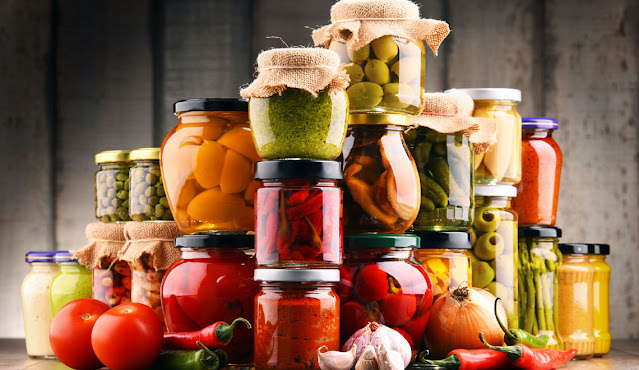
Preservatives Help Keep the Food Products Fresh for Longer and Extend Its Shelf Life
Image
  Preservatives  Preservatives are chemicals or substances added to food products, beverages, drugs, cosmetics, paints, and wood to prevent microbial growth and unwanted changes in terms of both chemical and physical properties. Along with emulsifying and stabilizing agents, preservatives also help to maintain freshness of appearance and consistency. Preservatives are of two kinds, such as natural and synthetic, both are used to enhance the quality of the end product. Natural once are naturally derived additives used in a wide range of products. Natural Preservatives also help preserve natural characteristics of food and increase the shelf life of food products for storage. Artificial or synthetic preservatives are added to food, sprayed on the outside of food, or added to certain medications to slow down discoloration, spoilage, or contamination by bacteria and other disease organisms. Some of the most popular are sorbic acid, sodium benzoate, butylated hydroxytoluene (BHT...

Emulsifiers are Chemical Additives That Encourage the Suspension of One Liquid in Another

Image
  Emulsifiers Emulsifiers, or emulsifying agents, are substances that form film around the dispersed globules or lower the interfacial tension in an emulsion. They are chemical compounds or their mixtures that allow the formation of a stable over time emulsion. The role of the emulsifier is to create stable micelles that are formed on the water-oil interface. Emulsifiers are used as a stabilizing agent in various industries, such as food & beverage, pharmaceutical, and cosmetic & personal care, to stabilize the two or immiscible liquids. Food emulsifiers are either natural or artificial food additives that help stabilize and produce emulsions by lowering the surface tension at oil-water interface. They are often use to improve the consistency of food products. Emulsifier are also used to preserve taste, flavor, and texture, of the food products. Moreover, it encourages the suspension of one liquid in another, as in the mixture of oil and water in margarine, shortening, ic...

End goods are preserved by adding Antimicrobial Preservatives to stop Bacteria from growing

Image
  Preservatives  Preservatives are substances or chemicals that are applied to pharmaceuticals, food, drinks, paints, cosmetics, and wood in order to prevent microbial development and undesired physical and chemical changes. There are two types of preservatives: natural and synthetic, both of which are employed to improve the quality of the final product. Antioxidants, vitamin E, rosemary extracts, and seed extracts are all natural preservatives that are frequently sourced from plant sources. Chemical components processed and added to the ultimate product include benzoic acid, sodium nitrite, sulphur dioxide, and potassium sorbate, among others. Growing health concerns among the world's population has resulted in a rise in demand for natural preservatives, which is propelling the preservatives industry forward. Preservatives are becoming more popular as the food sector expands in rising economies such as India and China. Antimicrobial preservatives are preservatives that a...

Whey Protein Isolates are the fast-digesting part of dairy protein.

Image
  Whey Protein Isolates Milk provides a lot of the protein in protein bars, beverages, and powders. This beverage includes whey protein, which is a kind of fast-digesting protein. Whey accounts for around 20% of the protein in milk before it is processed, while casein proteins account for the remaining 80%. Whey and casein are high-quality proteins because they contain all of the amino acids your body need. Whey, on the other hand, is thought to be particularly effective for enhancing muscle protein synthesis. Whey protein comes in a variety of forms that are utilised in supplements. Whey isolate and whey concentrate are two of the most prevalent types. The nutritional composition of these forms varies slightly according to the varied processing procedures used. When liquid whey is collected as a by-product of cheese or yoghurt manufacturing, it goes through multiple procedures to boost its protein concentration. After achieving a suitable protein concentration, the liquid can be...

Rising Importance of Food Safety and Transparency Helps in Growth of Probiotics

Image
Probiotics are good microorganisms that help the gut stay healthy. They are used to treat intestinal problems. Probiotics boost immunity while also preventing oxidative damage to proteins and lipids. Tablets, powders, capsules, and gels are all options for probiotics. According to Coherent Market Insights, The global Probiotics Market is projected to surpass US$ 80.0 billion by the end of 2027, in terms of revenue, growing at CAGR of 6.8% during the forecast period (2020 to 2027). Probiotics  The health advantages of probiotic-fortified meals, the multifunctionality of probiotics, and the increasing usage of probiotics in foods due to expanding consumer awareness of good diets are all driving up global demand for probiotics. The demand for probiotics in fortified foods is expected to stay strong as consumers become more aware of their advantages and are prepared to pay more for premium goods that include probiotics. The market is predicted to rise as people consume more prob...

Black Quinoa Is a Very Healthy Food That Is Also Categorized As Pseudo Cereal

Image
  Black quinoa Black quinoa is versatile and can be eaten as porridge in the morning, in salads, or as a pilaf. Users can also use black quinoa flour in gluten-free baking. It absorbs flavors and is a good substitute for rice. It is also a great source of protein and amino acids. Users can also cook quinoa in the microwave for a few minutes, and then use it in any dish that calls for rice. Black and red quinoa contain a lot of saponins, which can make it difficult to digest. Before cooking, rinse the quinoa thoroughly with water or a fine mesh strainer to remove any residue. According to Coherent Market Insights, The global Black Quinoa market is estimated to surpass US$ 193.15 million by the end of 2027 in terms of revenue, exhibiting a CAGR of 9.8% during the forecast period (2021 to 2027). Although black quinoa is often compared to rice, it has its advantages. It is a high-fiber grain that is packed with nutrients. It can help users meet their daily calcium, iron, magnesium...

Bioengineered Food Is Expected To Increase Food Supply, Offering Reduced Cost And Longer Shelf Life To Tackle Global Food-Related Crisis

Image
  Bioengineered Food Bioengineered food is made from genetic material that is modified through specific laboratory procedures, which could not be done through traditional breeding or found in nature. While the Food and Drug Administration (FDA) has set standards for labeling bioengineered foods, many consumers are still unaware of them. In many cases, food companies are able to hide bioengineered food from consumers by using highly refined ingredients that are unrecognizable. Similarly, foods that contain undetectable genetic material are not required to be labeled. However, in some cases, these foods may still be labeled as "non-genetically modified" because the ingredients have undergone such a process. According to Coherent Market Insights, The Bioengineered Food Market was valued at US$ 31.23 Bn in 2018, and is expected to reach US$ 62.43 Bn by the end of 2027, exhibiting a CAGR of 8.0% during the forecast period (2019 to 2027). The U.S. Department of Agriculture...

What is Bioengineered Food?

Image
  Bioengineered Food "Detectable genetic material that has been modified through certain lab techniques that cannot be created through conventional breeding or found in nature" is defined as Bioengineered Food. According to Coherent Market Insights, The Bioengineered Food market was valued at US$ 31.23 Bn in 2018, and is expected to reach US$ 62.43 Bn by the end of 2027, exhibiting a CAGR of 8.0% during the forecast period (2019 to 2027). Those that have been bioengineered do not contain any more antibiotics or steroids than foods that have not been bioengineered. According to the FDA, the crops haven't been altered in any manner that increases the risk of cancer, and they're no more likely to cause allergies than non-bioengineered foods. But when it comes to the controversy over bioengineered foods, that's only the beginning. There are also concerns regarding the impact on agriculture, soil, and the development of weed and insect populations. Why are foods...

Food premix is a mixture of minerals, vitamins, and other functional substances used in food and beverage fortification.

Image
  Food Premix Some of the most common premixes are vitamin premixes, mineral premixes, nucleotide premixes, amino acid premixes, and botanical premixes. Excipients (carriers, fillers), fortificants (powdered vitamins and minerals), and free-flow agents make up the premix. As they improve the overall quality and texture of food items, they are gaining appeal in nutritional supplements and other food products. The global Food Premix market is projected to reach around US$ 2.1 billion by the end of 2027, in terms of revenue, growing at CAGR of 5.5% during the forecast period (2019-2027).   Vitamins, minerals, nucleotides, amino acids, and botanicals are among the constituents. The liquid and powder versions of food premix are both accessible. Bone health, immunity, digestion, heart health, and weight control are all aided by food premix . Premix growth is primarily driven by rising demand for fortified foods. The industry for food premix is expected to develop in response to...

Ready to Eat Foods are those that have been prepared so that they may be enjoyed without further preparation.

Image
  Ready to Eat Food Refrigerated, shelf-stable, require minimum heating, or are served hot, ready-to-eat meals can be refrigerated, shelf-stable, require minimal heating, or are served hot. Specific criteria apply to ready-to-eat meals to guarantee that there is no contamination or risk of germs growing after the foods have been cooked. Ready-to-eat food is food that the maker or manufacturer intends for direct human consumption without the requirement for heating or other processing that effectively eliminates or reduces microorganisms of concern to an acceptable level. Despite their many benefits, ready-to-eat (RTE) foods are linked to the development of foodborne disease cases and outbreaks, raising concerns regarding their safety. Several RTE foods use acidic conditions to prevent pathogen development. Bacteria including Listeria monocytogenes, Salmonella, Escherichia coli, Clostridium botulinum, and Clostridium perfringens, however, can live and develop in the acidic RTE ...

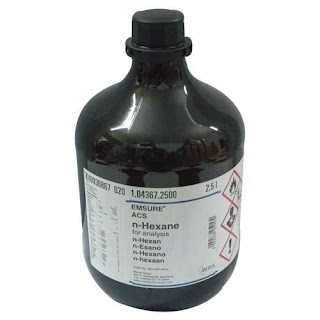
n-Hexane is a chemical made from crude oil.

Image
  n-Hexane The colourless liquid n-Hexane has a slightly unpleasant odour. It is extremely flammable, and its fumes have the potential to be explosive. In labs, Puren-Hexane is utilised. The majority of hexane used in industry at the time was combined with related compounds known as solvents. Solvents containing n-Hexane are mostly used to extract vegetable oils from crops such as soybeans. In the printing, textile, furniture, and shoemaking sectors, these solvents are also utilised as cleaning agents. n-Hexane is also found in several specific glues used in the roofing, shoe, and leather industries. n-Hexane is commonly used in conjunction with other solvents to extract vegetable oil from crops and seeds. It is made mostly from crude oil and has great solubility in alcohol. It is also clear in nature. They're utilised to make adhesives and sealants that have a wide range of industrial applications. Furthermore, they are employed as a degreasing and industrial agent. Other indus...

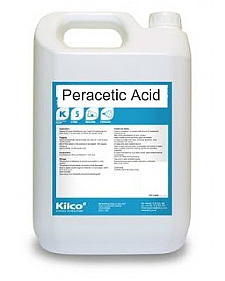
Peracetic Acid is Mainly used in the food industry, where it is applied as a cleanser and as a disinfectant.

Image
Peracetic acid is a peroxy acid with a hydroperoxy group in place of the OH group. It is a disinfectant as well as a versatile oxidising agent. It's employed as an antibacterial in a variety of industrial and domestic operations, including beverage plants, food processing plants, wineries, breweries' pasteurizers, medical facilities, and agricultural processes, to name a few. Peracetic acid is also used in the pulp industry as a disinfectant for medical supplies and to prevent biofilm formation. Because of its strong oxidising characteristics, it has been widely employed in the paper and pulp bleaching sector. Peracetic acid It is used to sanitize food contact surfaces, sanitize and disinfect animal premises, and as a food processing aid for antimicrobial intervention without imparting flavors, colors, or odors to the finished product. Peracetic acid blends have been approved by the U.S. Food and Drug Administration (FDA) approved as sanitizer on food contact surfaces and fo...

Piperine is the alkaloid that gives black pepper, Piper nigrum (Piperaceae), and Piper longum L., also known as long pepper, their pungency.

Image
  Piperine Piperine is the most common dietary alkaloid found in the fruits and roots of the Piperaceae family's Piper nigrum L. (black pepper) and Piper longum L. (long pepper) species. Piperine is chemically 1-Piperoylpiperidine, and it is responsible for pepper's unique pungency and biting flavour. Antioxidant, anti-inflammatory, immunomodulatory, anti-asthmatic, anti-convulsant, anti-mutagenic, anti-mycobacterial, anti-amoebic, and anti-cancer properties have been discovered in it. Piperine has been shown to have chemopreventive properties against cancer cells of diverse origins by activating apoptotic signals and inhibiting cell cycle progression in numerous investigations. Piperine is also known for its effects on redox homeostasis, cancer stem cell (CSC) self-renewal, ER stress regulation, autophagy, cancer cell invasion, metastasis, and angiogenesis. It works by inhibiting P-gp and so reversing multidrug resistance in cancer cells. Piperine functions as a bioavailabi...

Vitamins; Nutrients Body Needs in Small Amounts to Work Properly and Stay Healthy

Image
  Vitamins Vitamins are nutrients that the body needs in small amounts to work properly and stay healthy. Vitamins are organic chemical compounds that bind to a nutrient important for the conduction of metabolism within the soma, or cell body, that organism demands in small amounts. These organic compounds help body grow and work the way it should. There are 13 essential vitamins, such as vitamin A, vitamin C, vitamin D, vitamin E, vitamin K, and the B vitamins (folate, B12, B6, biotin, niacin, riboflavin, thiamine, and pantothenic acid). Vitamins can't be created within the body; however, they are often absorbed by supplements or food. Adequate intake will keep the body in total management and healthy. A Vitamin is organic molecule that the body requires in small amounts for optimal metabolism. The body can't synthesize these essential nutrients and must obtain them through the diet. The human body, fortunately, has an extensive supply of these vitamins, which are necessary...

Basil Seeds Support Gut Health, Promote Healthy Cholesterol Levels, and Lower Risk of Cardiovascular Disease

Image
Eating basil seeds is an established traditional practice in many parts of the world. Red and green shiso basil seeds are also known as Japanese basil seeds. It is used in many Japanese recipes from sushi to garnishing ramen. In addition to ensuring that you get the maximum benefit, you also need to know how to prepare them, their nutritional value, and any potential side effects. Basil Seeds Among the many benefits of consuming Basil Seeds , the most important one is its high level of vitamin K. This can interfere with blood-thinning medications. So, if you are taking any of these drugs, be sure to discuss the side effects with your healthcare provider first. You can also cook with basil seeds, but it can be a bit boring. In addition, you can try different recipes involving this spice, including this one. Among the many benefits of consuming basil seeds, they may support gut health, promote healthy cholesterol levels, and lower your risk of cardiovascular disease. Various studies ...

Probiotics; a Mixture of Live Bacteria and/or Yeast That May Benefit a Person's Health

Image
  Probiotics Probiotics are classified as beneficial bacteria’s that promote the healthy functioning of the gut. They are live microorganisms (such as yeast and bacteria) that that are good for overall health, especially for the digestive system. These microorganisms help both humans and animals by maintaining the microbial balance of the intestines. They are classified as beneficial bacteria’s that promote healthy functioning of the gut. They also help improve the immune response and preserve lipids and proteins from oxidative destruction. Probiotics are available in the form of powders, tablets, gel, and capsules, and are taken orally or as supplements. When administered in adequate amount, probiotics confer a health benefit on the host. Probiotics are often called ‘good’ or ‘helpful’ bacteria because they help keep the gut healthy. They are made up of good bacteria that helps keep the body healthy and working well. The good bacteria helps the user in many ways, such as helps ...

Nigella Seeds: a Black, Drop-Shaped Seed That Is Used As a Spice and Food Preservative

Image
Nigella Seeds Nigella seeds belong to the cumin family, which is responsible for its aromatic flavor. These seeds are widely used as a flavoring agent in cooking, as well as to treat various ailments, such as obesity and joint pains, among others. Nigella seeds are also known as black cumin seeds. The seeds of Nigella sativa, known as nigella, are used as a spice and a condiment in Ethiopian cuisine, South Asian cuisine, Middle Eastern and Polish cuisines. Nigella sativa is commonly used as a spice but now is found to have potential application in pharmaceutical industries. Also known as black cumin, Nigella sativa or Nigella Seeds , belongs to the buttercup family of flowering plants. It grows up to 30 cm (12 inches) tall and produces a fruit with seeds that are used as a flavorful spice in many cuisines. The main difference between black cumin seeds and black seeds is that black cumin seeds are either Nigella sativa or Bunium bulbocastanum, while black seeds are Nigella sativa. The...

Cherry seeds are covered with a kernel that is high in the amygdalin chemical that helps in lowering toxic compounds in the human body

Image
Cherry Seeds The pit of the cherry contains cyanide, which is lethal in small amounts. If ingested, it can cause fatal effects. Even the smallest amount of cyanide can result in death. In addition to cyanide, other stone fruits and their seeds can also contain cyanide. In fact, a recent study discovered that black cherry seeds are the most nutritious of all the varieties. The aforementioned benefits are found in the fruit's soluble and insoluble in water. The same applies to toasted black cherry seeds. The seeds must be rinsed thoroughly before eating. Otherwise, they will lose their nutritional value. The first step in growing Cherry trees is to collect fresh cherries and pits. Unlike pomegranate seeds, the bark of a cherry tree is poisonous and should never be eaten. In addition, the cherries are not suited for making jams or jellies, which are also toxic. To prepare the Cherry seeds , first separate the husks from the cherries. Then, cut them in half. Then, squeeze them into ...

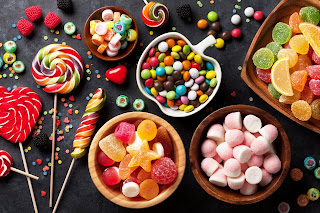
Candy: A Sugary Staple of American Culture Available in Different Types

Image
  Candy Candy is a popular sweet food with sugar as its main ingredient. It can be found in any form, from chocolate to chewing gum, and can be purchased in any grocery store. In the U.S, candy is known as "sweets" in some states, and is a staple of American culture. The first ingredient in candy is sugar. Typically, sugar is boiled to a very high temperature. The high temperature causes crystallization of the candy. The higher the sugar, the lower the risk of crystallization. The process is accurate and regulated by the FDA and food safety agencies. In addition to using sugar, manufacturers can use corn syrup or manufactured invert to prevent crystallization. This substance contains complex saccharides, which help increase viscosity and solubility. A candy is a type of sweet treat made by melting sugar in a liquid. Its consistency can vary greatly. The difference between crystalline and noncrystalline candies is the amount of water added. When a sugar-water solution boi...