Posts

Showing posts with the label compounds

Lime has a wide range of application which includes paper, plastic, paint, rubber, and ink

Image
  Lime Lime is a calcium compound that is used in the waste water treatment process as well as in the steel industry to remove calcium oxide and calcium hydroxide. It may be used in a variety of industries, including construction, chemical, environmental, and metallurgical. It is mostly used to remove contaminants. It's also utilised to stabilise soil in the construction business, where it's employed in roads, buildings, and dams. According to Coherent Market Insights, The U.S. Lime market is projected to surpass US$ 3.7 billion by the end of 2027, in terms of revenue, growing at CAGR of 3.7% during the forecast period (2020 to 2027). Lime, any of numerous species and hybrids of Citrus trees and bushes (family Rutaceae) cultivated for their edible acidic fruits in tropical and subtropical locations. The Persian lime (Citrus latifolia) is the most common commercial variety, however the smaller key lime (Citrus aurantifolia) is also commercially significant in many regions...
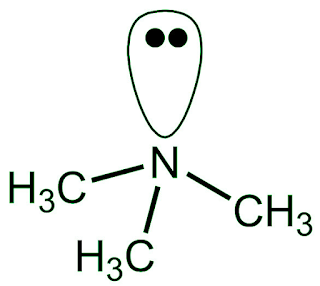
Amines Are Derivatives of Ammonia That Have Been Replaced By a Substituent Such As an Aryl or Alkyl Group

Image
Amines Amines are organic compounds containing a lone pair of a nitrogen atoms. They are formal derivatives of ammonia and are formed when hydrogen atoms are replaced by an aryl or alkyl group. Among the many types of amines, benzene is the most common type. In contrast, ammonium is the least common. In regions such as Germany, the increasing expansion of chemical labs has increased the production and usage of amines. For instance, according to Germany Works, in 2019, there are over 2900 chemical companies in Germany. Amines are widely used as industrial commodities and have several applications, including rubber, dyes, pharmaceuticals, synthetic resins, and fibers. The process for preparing amines is divided into two main groups: the chemical reduction of organic nitrogen compounds, and the synthesis of arylamines. These products can be used in various organic and inorganic compounds. However, some chemical methods produce a higher purity amine. Amines are complex compounds, typi...

Caprolactam (CPL) organic compound has the formula (CH2)5CONH, A lactam (a cyclic amide) of caproic acid is this colourless solid.

Image
  Caprolactam  Caprolactam is a milky white to transparent solution with a slight, unpleasant odour. Skin, eyes, and mucous membranes may be somewhat irritated by contact. Ingestion may cause moderate toxicity. The threat to the environment is the most serious danger. To prevent it from spreading to the environment, immediate action should be done. It can quickly infiltrate the soil and contaminate groundwater and neighbouring streams because it is a liquid. It's a chemical that's used to produce other compounds. Caprolactam is a chemical that is used to make synthetic textiles. Acute (short-term) caprolactam exposure in humans can cause irritation and burning of the eyes, nose, throat, and skin. Workers exposed to caprolactam through inhalation have reported headaches, lethargy, confusion, and nervous irritability. Chronic (long-term) exposure of workers to caprolactam has been shown to induce hand peeling and irritation of the eyes, nose, and throat, but no additional hea...

The Oldest and Most vital Material used by human is Lime

Image
 Lime is a useful chemical with several applications. It is necessary for the manufacturing of a wide range of materials. Lime, also known as calcium oxide (CaO), is made from high-quality natural limestone (calcium carbonate) (CaCO3). Limestone is a sedimentary rock created by the accumulation of shell, coral, algae, and other ocean detritus millions of years ago. When limestone is heated to a high temperature, calcium carbonate is converted to calcium oxide, resulting in lime. LIME Quicklime, calcium oxide, high calcium lime , and dolomitic lime are some of the words used to describe lime. All of these terms refer to the same substance: lime. Dolomitic lime is made up of magnesium oxide (MgO) that is formed from the presence of magnesium carbonate (MgCO3) in the dolomitic limestone. Calcium carbonate and magnesium carbonate are two types of carbonate found in dolomitic limestone. Calcium carbonate is practically pure in high calcium lime. Lime and lime-based reagents help dry w...