Posts

Showing posts with the label vitamins

Vitamins Are Now Increasingly Being Used As Supplements in Daily Diets to Meet the Nutritional Need of the Body
Image
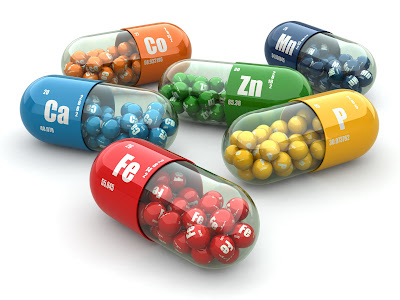
  Vitamins  Vitamins are water-soluble compounds with numerous roles in the body. Some function as signals, others as regulators of other materials, and others aid enzymes. Although the names are different from one another, recommended daily allowances are generally high enough to account for individual variation and normal environmental stress. Many vitamins are interrelated, and some interactions are cooperative, others reflect overlapping metabolic or protective roles. Vitamin B12, in particular, may have a structural dependency, however, this is not known for certain. Water-soluble vitamins are easily absorbed from food, and a supplement containing them will also be absorbed. Water-soluble vitamins include vitamin A and vitamin C. The former are easily transported throughout the body, while the latter are easily dissolved in water. The action of vitamins depends on their solubility. Water-soluble vitamins are quickly broken down by the body and are excreted in urine. How...

Vitamins; Nutrients Body Needs in Small Amounts to Work Properly and Stay Healthy

Image
  Vitamins Vitamins are nutrients that the body needs in small amounts to work properly and stay healthy. Vitamins are organic chemical compounds that bind to a nutrient important for the conduction of metabolism within the soma, or cell body, that organism demands in small amounts. These organic compounds help body grow and work the way it should. There are 13 essential vitamins, such as vitamin A, vitamin C, vitamin D, vitamin E, vitamin K, and the B vitamins (folate, B12, B6, biotin, niacin, riboflavin, thiamine, and pantothenic acid). Vitamins can't be created within the body; however, they are often absorbed by supplements or food. Adequate intake will keep the body in total management and healthy. A Vitamin is organic molecule that the body requires in small amounts for optimal metabolism. The body can't synthesize these essential nutrients and must obtain them through the diet. The human body, fortunately, has an extensive supply of these vitamins, which are necessary...

Basil Seeds Support Gut Health, Promote Healthy Cholesterol Levels, and Lower Risk of Cardiovascular Disease

Image
Eating basil seeds is an established traditional practice in many parts of the world. Red and green shiso basil seeds are also known as Japanese basil seeds. It is used in many Japanese recipes from sushi to garnishing ramen. In addition to ensuring that you get the maximum benefit, you also need to know how to prepare them, their nutritional value, and any potential side effects. Basil Seeds Among the many benefits of consuming Basil Seeds , the most important one is its high level of vitamin K. This can interfere with blood-thinning medications. So, if you are taking any of these drugs, be sure to discuss the side effects with your healthcare provider first. You can also cook with basil seeds, but it can be a bit boring. In addition, you can try different recipes involving this spice, including this one. Among the many benefits of consuming basil seeds, they may support gut health, promote healthy cholesterol levels, and lower your risk of cardiovascular disease. Various studies ...

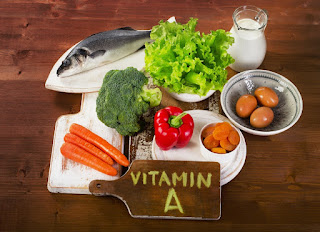
Vitamin A Helps in Normalizing Vision, Strengthening the Immune System and Aids Reproduction

Image
Vitamin A Vitamin A is essential for healthy skin, eyes, and bones. It is commonly used as an antioxidant, fighting cell damage, but has many other uses. It is essential for normal cell growth and organ formation and is crucial for the health of the immune system. Here are some important benefits of Vitamin A. It is good for vision, skin, and bones. It has many other uses, too. Vitamin A is a fat-soluble vitamin that aids in the reproduction and differentiation of cells. It is essential for good vision, which means that it is critical to ensure a healthy diet. A deficiency in vitamin A can lead to poor night vision and a lack of energy. It is also necessary for the proper development of an embryo. Two sources of Vitamin A are beta-carotene and retinol, which are naturally occurring substances found in plants. Beta-carotene is converted into Vitamin A in the body. Both major carotenoids have photoprotective and antioxidant properties. Although vitamin A is essential for healthy skin,...