Posts

Showing posts with the label Specialty Chemicals

Silicon Carbide mostly assists the product demand from the domestic steel-making sector.

Image
  Silicon Carbide Silicon carbide (SIC), often known as carborundum, is a chemical substance. It is essentially a silica and carbon combination. It has the ability to handle high-power switching applications. According to Coherent Market Insights, The global Silicon Carbide Market is projected to surpass US$ 11,965.9 million by the end of 2027, in terms of revenue, growing at CAGR of 15.3% during the forecast period (2020 to 2027). Greater usage of the product to create refractory materials for the steel sector is expected to boost market expansion. Because of its excellent temperature tolerance, silicon carbide is employed as a refractory raw material. In many sectors, such as cast iron, steel, aluminium, and metal, refractory goods are widely utilised in the linings of kilns, furnaces, and reactors. The market for refractory materials is likely to be driven by production expansion in the aforementioned ferrous and non-ferrous sectors. The worldwide electrical infrastructur...
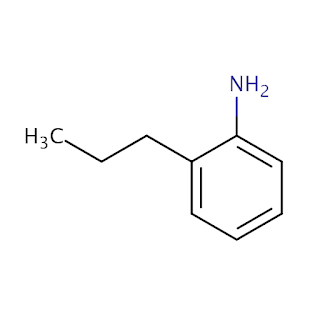
An Aniline is a phenyl group linked to an amino group in an organic chemical molecule.

Image
  Aniline Aniline is mostly utilised in the manufacturing of polyurethane and other chemical goods. The market is expected to increase in response to rising demand for aniline in rubber processing chemicals applications. Rubber processing chemicals are employed in the processing of latex because they increase the durability, robustness, strength, and elasticity of the latex. Increased usage of additional chemicals utilised in the rubber processing industries, such as antioxidants, stabilisers, antidegradants, and antiozonants, is also predicted to boost market development. Colours, medicines, explosives, plastics, and photography and rubber compounds all employ aniline as an organic basis. The destructive distillation of indigo yielded Aniline for the first time in 1826. Its name comes from the indigo-producing plant Indigofera anil (Indigofera suffruticosa), which has the chemical formula C6H5NH2. Commercial aniline is made via catalytic hydrogenation of nitrobenzene or by am...

Benzocaine belongs to the class of organic compounds known as benzoic acid esters.

Image
  Benzocaine Benzocaine is a topical anesthetic used for burns. It's a powerful antiseptic agent. It's safe for skin irritation but should not be used on open wounds or broken skin. It's also not safe to use on children.   It is an opioid painkiller. Although it is not addictive, it can have severe side effects. It should be used with care. Those suffering from methemoglobinemia, or low hemoglobin, should consult their doctor. Symptoms include pale skin, numbness, and weakness. Benzocaine is a pharmacological component with a wide range of therapeutic effects. It's used to treat sexual disorders like premature ejaculation, as a topical anaesthetic in diseases like mouth and esophageal ulcers, as a pain reliever in dental diseases like tooth decay and dental caries, and to treat skin irritation like vaginal irritation in women. Ethyl 4-aminobenzoate is the chemical name for benzocaine API, which is synthesised in solid physical form and is somewhat soluble in water....

Bovine Serum Albumin Is a Type of Albumin Protein Derived That Is Derived From Cows

Image
  Bovine serum albumin  Bovine serum albumin is one of the most widely used proteins in laboratory research. This protein is obtained from bovine blood and is one of its most important components. Besides, it's also commonly used in cell culture experiments. However, there are some risks associated with bovine serum albumin. This article will discuss some of them and explain their use in research. Let's have a look at how it works. This serum is produced in the United States. Bovine Serum Albumin is a versatile and highly versatile protein that is typically used as a blocker for non-specific antibody binding. It is commonly used as a protein standard in various protein assays. It's also commonly used in protease-sensitive assays and as a cell culture medium. Although it's available worldwide, it's only available to customers in the United States. While bovine serum albumin is a widely used protein, there are a few important things to know about it. Bovine serum...

Dyestuff for Cotton; the Most Common Type of Dye Used in the Global Textile Industry

Image
Dyestuff for Cotton is a unique combination of natural cotton and polyester that has been used to create 100% cotton textiles that are soft, durable, and lightweight. It has become extremely popular with industrial, high fashion clothing manufacturers who seek fabrics that are soft and comfortable while being able to stand up to high heat conditions. Dyestuff for cotton is widely used in the textile industry to manufacture various garments such as acrylic fibers, nylon fiber, and polyester fibers. Thus, there is an increasing demand for dyestuff in the textile industry. The US textile market is one of the largest textile industry in the world, and exports to more than 200 countries worldwide. According to the National Council of Textile Organizations (NCTO), the U.S. is the second largest exporter of textile-related products in the world. U.S. textile and apparel shipments totaled US$ 64.4 billion in 2020. Moreover, the U.S. industry is a globally competitive manufacturer of textile ...