Posts

Showing posts with the label beverages

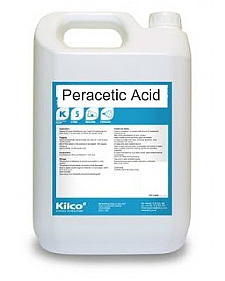
Peracetic Acid is Mainly used in the food industry, where it is applied as a cleanser and as a disinfectant.
Image
Peracetic acid is a peroxy acid with a hydroperoxy group in place of the OH group. It is a disinfectant as well as a versatile oxidising agent. It's employed as an antibacterial in a variety of industrial and domestic operations, including beverage plants, food processing plants, wineries, breweries' pasteurizers, medical facilities, and agricultural processes, to name a few. Peracetic acid is also used in the pulp industry as a disinfectant for medical supplies and to prevent biofilm formation. Because of its strong oxidising characteristics, it has been widely employed in the paper and pulp bleaching sector. Peracetic acid It is used to sanitize food contact surfaces, sanitize and disinfect animal premises, and as a food processing aid for antimicrobial intervention without imparting flavors, colors, or odors to the finished product. Peracetic acid blends have been approved by the U.S. Food and Drug Administration (FDA) approved as sanitizer on food contact surfaces and fo...

Pearl Milk Tea has become massively popular among consumers due to the availability of a diverse range of flavors and exotic fruits

Image
  Pearl M ilk T ea is a bubbly tea-like drink that originally originated in Taiwan in the mid-1980s. It is most often made with white tea, however, and can also be made with other ingredients as well. The base of the drink is basically white tea with different additives added to it. All different types of milk are used as the base, and different herbs and spices are added to the mix for flavor and additional benefits. There are many variations to the traditional Pearl Milk Tea. Some people use real Pearl M ilk T ea bags, while others use gelatin. There are even some people who buy their teabags at the supermarket and then make the drink according to the recipe that they find. Many of the variations of pearl milk tea follow the same basic process, however, and all involve either a hot water base or a syrup. Pearl tea is typically served as a beverage to be enjoyed alone, although it can also be a nice option to have as a dessert after dinner. Recipes usually include a variety of...

Nisin; a Food Preservative Helps Improve Food Quality and Reduce Loss of Nutrients

Image
  Nisin is a polycyclic antibacterial peptide produced by a group of Gram-positive bacteria that belongs to Streptococcus and Lactococcus species. Nisin is classified as a Type A (I) antibiotic that is synthesized from mRNA and the translated peptide contains several unusual amino acids due to post-translational modifications. Nisin is a natural, antibacterial, and toxicologically safe preservative. It is usually available as yellowish or greyish white powder. Nisin shows broad-spectrum antibacterial activity against foodborne bacteria, such as Listeria monocytogenes. Nisin is widely used in medicines, cosmetics, beverages, canned food products, fruit juices, fast food, plant proteins, milk and meat products, dairy products, aquatic products, and health care products. Moreover, nisin improves food quality, reduces damage to nutrients, decreases the time required for sterilization, reduce temperature during food sterilization, and prolongs storage duration. Furtherm...