Posts

Showing posts with the label Packaging

Bioplastic Packaging Material Can Also Be Used In The Production Of Various Components Of Electronic Products Such As Circuit Boards

Image
  Bioplastic Packaging Bioplastic Packaging is a packaging material made of organic materials. It is an effective means of reducing food loss, enhancing the shelf life of packaged foods, and helping to create sustainable food production. Bioplastic Packaging material is a type of plastic which is produced using renewable resources. This material is a biodegradable polymer and can be used to replace conventional plastics. Agricultural feedstocks such as corn, soybeans, and sugarcane are used to produce bioplastics. Other sources include straw, wood chips, and recycled food waste. These materials are processed to form polylactic acids. When these are combined with other chemical building blocks, a bioplastic product is produced. This type of plastic is generally processed at a lower temperature than traditional products. Food and beverage products are considered to be the leading end use of the bioplastics. The increasing popularity of supermarkets and quick-service eateries h...

Europe Bag In Box Packaging; A Container Used For Storing Food And Transporting The Liquids

Image
  Bag In Box Packaging Europe Bag in Box Packaging is a dependable, appropriate and sustainable fluid packaging method. In comparison to other fluid food and non-food containers, the empty and filled European BAG-IN-BOX packages take up less space during transport or storage, thus saving on logistics and storage costs. The packaging is made so that it is very easy to null the content of the bag, as decrease the wastage of food. European bag in box packaging are generally utilized for egg mass; juice, cream; fluid, wine, nutritional oil; mayonnaise; cider; syrup, sauces, tomato sauce, ketchup, milk, cosmetics; household chemicals. AZ-Pack is the only company in the Baltic States that produces bag in box packaging. Companies are providing a whole bag in box packaging for various markets in Europe. Companies can provide several films and taps as per various market requirements. Raw material, that are utilized for the Bag in Box Packaging manufacture is a vast technology product, ...

Sustainable Packaging Uses Raw Materials and Helps in Minimizing Waste

Image
  Sustainable Packaging Using Sustainable Packaging systems is an excellent way to save money and reduce waste. There are some different types of materials to use and there are several ways to make the packaging recyclable. Users may also choose to use reusable packaging systems and coatings and films that make food safe. Using bioplastics for Sustainable Packaging is a good way to reduce the impact of plastics on the environment. The bioplastics that have been developed have lower emissions of greenhouse gases and are biodegradable. They also offer the opportunity for novel applications. They have the potential to replace petroleum-based plastics and contribute to a more sustainable economy. Bioplastics can be derived from algae, plants, and bacteria. They have a variety of uses, including food packaging, agriculture, and hygiene. They can also be composted, making them a more environmentally friendly alternative to traditional plastics. Some are biodegradable while others ar...

Using Flexible Packaging, Products Can Be Packaged In A Way That Is More Economical And Customizable

Image
  Flexible Packaging Flexible Packaging refers to a packaging film made of flexible materials that can be used to package goods of various sizes and shapes. It is constructed of paper, plastic, foil, sheets, metal sheets, and laminated sheets. It offers protection against deterioration during storage and transportation. The product's shelf life is extended, and production waste is decreased. Rigid containers use more materials than Flexible Packaging, which also uses less energy to produce. It also produces fewer greenhouse gas emissions, which is better for the sustainability of the environment. Protecting the product from harm and contamination is the primary purpose of primary packaging. Flexible Packaging has many characteristics that perfectly match the needs of primary packaging, including light weight, low contamination, high barrier, and complete environmental protection for the product. Flexible Packaging is growing as a result of consumers choosing it over rigid pa...

Die Cut Lids; Providing A Total Barrier Against Water Vapor And Oxygen Transmission, As Well As Light And Aroma

Image
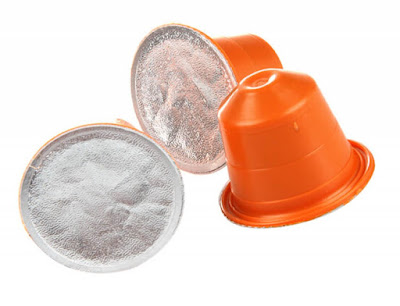
  Die Cut Lids Aluminum offers the crucial benefit of offering a complete blockade over water vapor and oxygen transfer, and light and aroma. This shows it as a unique choice for subtle and protracted persistence of goods. Another advantage of aluminum die-cut lids over PET is that they cover in a vast temperature range and don’t need exact temperature regulation of the heat-seal heads. Based on necessity, people utilize smooth or semi-rigid aluminum alloys. People also have specific lacquers when the goods need a lengthy persistence or are PVC-free. People have an amount of stamping cylinders to let the goods stand very different and unique. These comprise the direct forward pin-dot method from a huge spotted sustenance adornment impact. These die cutdie-cutould be offered in gold wash, plain silver, or are available in 8 colors. Accessible in a series of particular diameter sizes with pull tabs – 95.5mm, 75.5mm, 101mm, 61mm, 97.5mm, 71.5mm, and other dimensions and fi...

Paper Packaging Is A Cost-Efficient, Biodegradable, Lightweight And Versatile Option For Preserving, Protecting And Transporting Products

Image
  Paper Packaging Paper Packaging is a greener alternative to plastic Packaging, as it does not require plastic or other materials to be recycled. It is a non-toxic, contamination-free, and safe option, so it is more environmentally friendly, as it can be easily recycled. Furthermore, it does not produce hazardous emissions and is biodegradable . Paper-based Packaging also provides a higher level of flexibility in terms of design. Unlike plastic Packaging, Paper Packaging based materials allow a better display of a product's signature graphics, which contributes to the brand's story. The design flexibility also makes it easier to display products in retail settings. Further, paper-based Packaging can be used for a wide variety of applications, from shipping to display. Besides preventing plastic Packaging, it also reduces the impact on the environment by contributing to the gross domestic product. Paper and paperboard Packaging are the oldest and most common form of Packag...

Personal Care Packaging Of Various Health Products Is Carried Out For Protecting Them From Any Kind Of Damage And Contamination

Image
  Personal Care Packaging Personal Care Packaging products are often packaged with flexible materials and plastic. They can also be packaged with paperboard, glass, and metals. More advanced packaging is also becoming popular, including pens, pumps, sprays, and rollerballs. Small, convenient products are gaining in popularity. As consumers are becoming more sophisticated in beauty, the market for personal care packaging is also witnessing growth. Consumers are increasingly looking for convenience in packaging for personal care products. Packaging for these items should not only be recyclable, it should also be easy to open. It should show what's inside before the consumer buys it. In order to achieve success, personal care brands must meet these consumer expectations. The Personal Care Packaging includes a variety of products that can be found in the beauty and health department of department stores. Many of these products are packaged to protect them from damage or contaminat...

Bioplastics Are Made From Renewable Materials Including Sugarcane, Maize, Cellulose, And Cereals

Image
  Bioplastics  Bioplastic is a sustainable alternative to petroleum-based plastics that is made from renewable feedstocks. It has the ability to cut carbon dioxide emissions by 30% to 70%. It translates to a 42 percent decrease in carbon footprints. Bioplastic manufacture uses 65 percent less energy than traditional petroleum plastic. Companies are currently concentrating more on improving and consolidating R&D operations, consequently boosting manufacturing capacity, in the global bioplastics. Because of its outstanding technological qualities and capabilities, bioplastic has become more popular in a variety of applications. Due to favourable laws adopted by different countries throughout the world, the demand for bioplastics has exploded in diverse plastic applications. According to Coherent Market Insights, The global Bioplastics Market is projected to surpass US$  215 billion  by the end of  2027 , in terms of revenue, growing at  CAGR of 25...

End-of-Line Packaging are emerging solution for food and beverage industry as it more flexible and reliable technology

Image
  End-of-Line Packaging  For the food and beverage industry, end-of-line packaging solutions can be a huge benefit. EOL packaging solutions provide flexible and reliable palletizing and overwrapping, eliminating the risk of product loss and simplifying product changeovers. They can also help manufacturers develop smaller sales units and optimize palletization, reducing transport costs and reducing their environmental footprint. Automation is another key trend in the End-of-Line Packaging industry. While humans tend to pack by hand, machines are also necessary. The latter is increasingly used in developing countries. By 2027, automation is expected to become more prevalent in manufacturing facilities.  Automatic production processes will become more prevalent across different sectors and industries, as well as drive demand for end-of-line packaging solutions. Further, increasing automation will improve productivity and lower the cost of products. Despite its growing ...

Paper Packaging Beats rising Demand as Paper Board is directly made from Natural Cellulose Fibres.

Image
 Paper-based packaging (cardboard, paperboard, shipping sacks, and paper bags) is created from renewable resources (recycled paper fibre and trees) that are replanted to assure a long-term supply. These items are also the most recycled materials in the United States by weight. Paper Packaging Food packaging can be made out of a variety of materials, including paper and board. To package loose meals, paper packaging can be formed of parchment paper or in the shape of bags. Foods such as liquid and dry foods, frozen foods, and fast food are typically packaged in cartonboard. Corrugated board is widely used in direct contact with food (for example, pizza boxes) and as secondary packaging. The global Paper Packaging is projected to surpass US$ 485.0 billion by the end of 2027, in terms of revenue, growing at CAGR of 4.4% during the forecast period (2020 to 2027). Paper and board are created from natural cellulose fibres, either bleached or unbleached, or recycled from recovered m...

Injection-Molded Plastics is a manufacturing method that involves pumping molten material into a mould to create a variety of plastic goods.

Image
  Injection-Molded Plastics  Injection Molding is a procedure for mass-producing items in huge quantities. It's most commonly utilised in mass-production procedures when the identical item is made hundreds, if not millions, of times in a row. Automotive parts, electrical gadgets, packaging items, building material, medical disposable syringes, toys, and other plastic products are mostly made of thermoplastic and thermosetting plastic. The global expansion of the housewares industry is a major element driving the Injection Molded plastics market forward. Various household goods, such as drinking ware, cookware, tableware, bake ware, flatware, and cutlery, are made with injection-molded plastics. The rising global population is also contributing to the expansion of the housewares industry. As a result, the market for injection moulded plastics is predicted to develop in tandem with the rise of the housewares sector. The injection moulded plastics industry is expected to dev...

Biodegradable packaging is created from materials that can be broken down by microbes like bacteria, fungi, and algae.

Image
  Biodegradable Packaging Biodegradable packaging is equally effective, more environmentally friendly, and healthier for humans as a replacement for disposable plastic. Because plastic is made from oil, which is a finite resource, we will have to discover alternatives to plastic in the future. You may believe that through recycling, we can ensure a steady supply of plastic, however, present recycling technologies deteriorate the quality of plastic with each cycle. The plastic quality is too low after the third cycle of recycling, so it ends up in a landfill, our oceans, or being burned. Poisonous substances are released into the environment as a result of these disposal practises. With plastic, there is no winning, but with biodegradable packaging, the earth may start winning for a change. Biodegradable Packaging comes in a variety of forms. The majority of them are constructed of plant-based components. Paper and cardboard, both of which are made from wood, are common example...

Plastic Packaging means all plastic-containing materials which can be used for the containment, protection, handling, delivery and presentation of products

Image
  Plastic packing Plastic packing materials must not transfer more than 0.05 parts per million (ppm) of vinyl chloride, acrylonitrile, or any other potentially dangerous ingredient used in the fabrication of plastic elements. The packaging from module A3 is discarded here: The plastic packing is disposed of, but the cardboard and wooden pallet are reused. Heat-sealed plastic packaging without an easy-open tab, dimple, corner, or flap that is at least 4 mils thick. Plastic Packaging , which includes plastic carrier bags, is the most common use of the material, accounting for 26% of global volume. Plastic packaging, which includes plastic carrier bags, is the most common use of the material, accounting for 26% of global volume. Packaging made of plastic saves energy- Plastic packaging can save energy in the transport of packed goods because it is lightweight. Less fuel is consumed, which results in lower emissions and cost benefits for distributors, retailers, and consumers. A g...

The Rigid Packaging Sector Is Expected To Lead The Plastic Packaging Market, Expanding At A Cagr Of More Than 5.6 Percent In Terms Of Revenue And 5.3 Percent In Terms Of Volume

Image
  Plastics are organic molecules with a high molecular weight that comprise of a diverse spectrum of synthetic organic compounds that, due to their malleability, can be moulded into a variety of shapes. Packaging is a technology that encloses and protects different sorts of products for storage, distribution, sale, and use. In recent years, the increasing demand for healthy, safe, and convenient food in Asia Pacific, Europe, and North America has driven the global market for plastic packaging. Furthermore, due to its strength, adaptability, and recyclability, the use of polyethylene terephthalate (PET) as a packing material for food & drinks, pharmaceuticals, and household products is expected to boost an exceptional sustainability for the plastic packaging market during 2017-2025.   Over the projected period, the rigid packaging sector is expected to lead the Plastic Packaging Market , expanding at a CAGR of more than 5.6 percent in terms of revenue and 5.3 percent in ter...

The Fresh Seafood Packaging Market Is Being Constrained By An Increase In Food Contamination As A Result Of Improper Packaging Or Mistreatment Of Fresh Seafood

Image
  Seafood is low in calories and rich in vitamins (B-complex, A, and D), zinc, minerals, calcium, and long chain omega 3 fatty acids. Fresh seafood packaging aids in the prevention of contamination and changes in the biological, chemical, and physical form of food. Fish and seafood have a high nutritional value but are also perishable, time-sensitive foods. Packaging protects the products and helps to reduce losses during shipment, storage, and at the retailer's. Furthermore, the packaging of fish items should ensure a visually appealing display amid other food goods while not contaminating them. Paper, cartons, metal sheets, metal foils, and various polymers are examples of basic packaging materials.   The Fresh Seafood Packaging is being constrained by an increase in food contamination as a result of improper packaging or mistreatment of fresh seafood. Furthermore, severe rules and regulations set by the governments of various nations for the packaging and shipping of fresh...

Consumers Are Drawn To Glass Packaging Because Of Its Engaging Design

Image
  Glass is an excellent material for product packaging since it decreases the possibility of contamination while also protecting the goods from damage. Natural resources such as limestone, sand, and soda ash are used to make glass. Glass is often used for the packaging of alcoholic and non-alcoholic beverages since it preserves the beverage's taste and scent while also extending its shelf life.Furthermore, glass packaging allows food to be preserved for a long time. It is environmentally friendly since it is easily recyclable and has a low rate of chemical interaction, making it an excellent packaging material.   Consumers are drawn to glass packaging because of its engaging design. Glass jars, lids, containers, and bottles come in a variety of forms, sizes, and colours to meet specific needs. Food, beverages, chemicals, pharmaceuticals, cosmetics, and other materials are all packaged in glass. Glass packaging is predicted to expand in popularity due to rising demand from the ...

Plastic Packaging Allows Us To Protect, Preserve, Store, And Transport Things

Image
  Plastics are high-molecular-weight organic compounds that include a diverse spectrum of synthetic organic compounds that may be moulded into a variety of shapes due to their malleability. Packaging is a technology that encloses and protects a wide range of products for storage, distribution, sale, and use. In recent years, the global market for Plastic Packaging has been driven by rising demand for healthy, safe, and convenient food in Asia Pacific, Europe, and North America, respectively. Also, because of its strength and versatility, polyethylene terephthalate (PET) is used as a packaging material for food and beverages, pharmaceuticals, and household products. In a variety of ways, plastic packaging allows us to protect, preserve, store, and transport things. Many products purchased by consumers would not make it to their homes or stores in good enough condition to be consumed or used if they were not packaged in plastic. Plastics' economic success as a packaging material i...

North America Sachet Packaging in Pharmaceuticals is witnessing a surge in demand due to its flexible packaging material and short delivery-time

Image
In the pharmaceutical industry, the word sachet refers generally to a single dose unit, usually a small glass vial or small blister packaging specially designed for one or more medicines. This product is used in over 60 countries around the world. It is anticipated to increase significantly in sales through the next decade as the demand for safe and efficient packaging continues to rise. North America is a large market for Sachet Packaging in Pharmaceuticals . North America Sachet Packaging in Pharmaceuticals includes syringes, capsules and blister packs. Syringes are used to inject medicines and equipment is used to manufacture and package the finished product. Capsules and blister packs are used to store the medicine until it is ready to be distributed.  

Anti-Static Packaging Materials Are Used For Smooth Distribution of Technical and Manual Information and Data, and For Secure, Safe Storage

Image
  Anti-static packaging materials are used in various industries for a wide range of purposes. They are highly demanded because they can withstand shocks, vibrations and heat. These are very effective in various applications. The most common industries where these anti-static bags find maximum usage are automotive, electronics, food & beverage and healthcare. There is a wide range of designs available for different industries. These include desktop, truck, trailer, self-service, custom and industrial sized. Anti- S tatic P ackaging M aterials offer maximum protection against electrostatic discharge. These bags are constructed of blow-molded, low-density polyethylene (LPDE) material containing an antistatic additive. The inside surface is made of polyethylene terephthalate, an ionic compound that repels positive ions. A high quality, fully lined anti-static bag is used to transport electrical components, automotive spare parts and industrial machinery. The bag is constructed o...

Latin America BFS Technology; Seal, Form, and Fill Containers without the Inference of Humans

Image
Latin America BFS Technology (blow-fill-seal technology) is a technique used to manufacture liquid-filled polymer containers. BFS technology is a sealing technology used to create large and small volume liquid-filled bottles with excellent sealing properties. These bottles are used in food, cosmetic, medicine, and hygiene products as well as other industries. The process of blow-filling involves filling the inner chamber of the bottle with a sterile air cushion and blowing the air through the filling material to fill the outer area of the bottle, which consists of a rubber or textile seal. Now, applications of Latin America BFS Technology has expanded to biologics and injectables, such as monoclonal antibodies and vaccines. BFS technology is widely used across various end-use industries, such as personal care, cosmetics, and food & beverages. The technology reduces the chances of microbial contamination and penetration of foreign particles. Moreover, BFS technology is considered...