Posts

Showing posts with the label antioxidants

End goods are preserved by adding Antimicrobial Preservatives to stop Bacteria from growing

Image
  Preservatives  Preservatives are substances or chemicals that are applied to pharmaceuticals, food, drinks, paints, cosmetics, and wood in order to prevent microbial development and undesired physical and chemical changes. There are two types of preservatives: natural and synthetic, both of which are employed to improve the quality of the final product. Antioxidants, vitamin E, rosemary extracts, and seed extracts are all natural preservatives that are frequently sourced from plant sources. Chemical components processed and added to the ultimate product include benzoic acid, sodium nitrite, sulphur dioxide, and potassium sorbate, among others. Growing health concerns among the world's population has resulted in a rise in demand for natural preservatives, which is propelling the preservatives industry forward. Preservatives are becoming more popular as the food sector expands in rising economies such as India and China. Antimicrobial preservatives are preservatives that a...
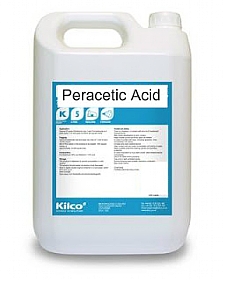
Peracetic Acid is Mainly used in the food industry, where it is applied as a cleanser and as a disinfectant.

Image
Peracetic acid is a peroxy acid with a hydroperoxy group in place of the OH group. It is a disinfectant as well as a versatile oxidising agent. It's employed as an antibacterial in a variety of industrial and domestic operations, including beverage plants, food processing plants, wineries, breweries' pasteurizers, medical facilities, and agricultural processes, to name a few. Peracetic acid is also used in the pulp industry as a disinfectant for medical supplies and to prevent biofilm formation. Because of its strong oxidising characteristics, it has been widely employed in the paper and pulp bleaching sector. Peracetic acid It is used to sanitize food contact surfaces, sanitize and disinfect animal premises, and as a food processing aid for antimicrobial intervention without imparting flavors, colors, or odors to the finished product. Peracetic acid blends have been approved by the U.S. Food and Drug Administration (FDA) approved as sanitizer on food contact surfaces and fo...

Vitamin A Helps in Normalizing Vision, Strengthening the Immune System and Aids Reproduction

Image
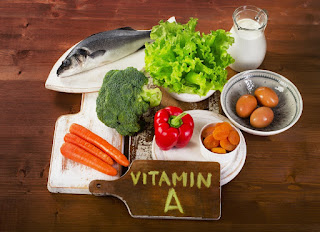
Vitamin A Vitamin A is essential for healthy skin, eyes, and bones. It is commonly used as an antioxidant, fighting cell damage, but has many other uses. It is essential for normal cell growth and organ formation and is crucial for the health of the immune system. Here are some important benefits of Vitamin A. It is good for vision, skin, and bones. It has many other uses, too. Vitamin A is a fat-soluble vitamin that aids in the reproduction and differentiation of cells. It is essential for good vision, which means that it is critical to ensure a healthy diet. A deficiency in vitamin A can lead to poor night vision and a lack of energy. It is also necessary for the proper development of an embryo. Two sources of Vitamin A are beta-carotene and retinol, which are naturally occurring substances found in plants. Beta-carotene is converted into Vitamin A in the body. Both major carotenoids have photoprotective and antioxidant properties. Although vitamin A is essential for healthy skin,...