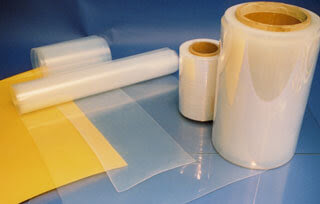
Plastic Packaging means all plastic-containing materials which can be used for the containment, protection, handling, delivery and presentation of products
 |
| Plastic packing |
Plastic packing materials must not transfer more than 0.05
parts per million (ppm) of vinyl chloride, acrylonitrile, or any other
potentially dangerous ingredient used in the fabrication of plastic elements.
The packaging from module A3 is discarded here: The plastic packing is disposed
of, but the cardboard and wooden pallet are reused. Heat-sealed plastic
packaging without an easy-open tab, dimple, corner, or flap that is at least 4
mils thick.
Plastic
Packaging, which includes plastic carrier bags, is the most
common use of the material, accounting for 26% of global volume. Plastic
packaging, which includes plastic carrier bags, is the most common use of the
material, accounting for 26% of global volume.
Packaging made of plastic
saves energy- Plastic packaging can save energy in the transport of packed
goods because it is lightweight. Less fuel is consumed, which results in lower
emissions and cost benefits for distributors, retailers, and consumers. A glass
yoghurt pot weighs roughly 85 grammes, while a plastic yoghurt pot weighs only
5.5 grammes. The packaging would account for 36 percent of the burden of a
vehicle carrying a product packed in glass jars. Packaging would be just 3.56
percent if packaged in plastic pouches. For the same amount of yoghurt, three
trucks are required for glass pots, but only two trucks are required for plastic
pots.
Plastic packaging
makes the most efficient use of resources—Plastic packaging has a higher
strength-to-weight ratio than conventional materials, making it possible to
pack a given amount of product with plastics rather than traditional materials.
It has been demonstrated that if society did not have access to plastic
packaging and had to rely on other materials, overall package usage, mass,
energy, and GHG emissions would increase.
Market Trends-
Around the projected period, the rigid packaging category is
expected to lead the plastic packaging market, with a CAGR of over 5.6 percent
in terms of revenue and 5.3 percent in terms of volume. According to a report
conducted by Coherent Market Insights, the worldwide Plastic
Packaging market's industrial end use industry segment is
expected to reach more than US$ 21.45 billion by the end of the calendar year
2017. Plastic packaging is driving cutting-edge solutions to innovative
packaging solutions that safeguard fragile goods, are low in cost, and are
simple to transport.


Comments
Post a Comment