Demand for Coated Fabrics to rise owing to increasing sale of Vehicles worldwide
 |
| Coated Fabrics |
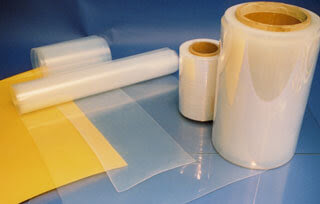
Coated Fabrics
are fabric products that have been treated with a coating to add additional
properties to them. For example, the coating process may make cotton fabric
waterproof or impermeable. The finished product is stronger and easier to care
for than cotton fabric without a coating.
In designing
customized products, durability is an important factor. For example, textiles
with high durability are vital for military and medical applications. This is
because the characteristics of a particular fabric will dictate whether it will
stand up to the elements. These fabrics are often selected for applications
where a product must be durable and withstand extreme weather conditions.
Moreover, Coated
fabrics are also environmentally friendly. So, they are a good
choice for many types of applications.
The composition
of the coating fabric can vary, depending on its density. In general, fabrics
with between 32% and 42% density are suitable for coating. A method of
determining fabric density is described in the "Textilpraxis" 1947
Edition. In addition, the fabric can have several layers of varying thickness.
Coated fabric can be used for any type of application where the properties of a
material are important.
The main factors
affecting the performance of these fabrics are the cost and the availability of
raw materials. Prices of these materials fluctuate constantly and can limit the
market size of the industry. In addition, coated fabrics are often fabricated
of different types of petrochemicals such as nylon, polyester, rayon, and
cotton. While these materials are durable and resistant to moisture, they can
lead to problems with environmental impact.
Vehicles are a common use for rubber and polymer-coated fabrics, which
are suitable for various end uses. For example, the automotive industry has
grown rapidly in recent years and safety is a primary concern for car
manufacturers.


Comments
Post a Comment